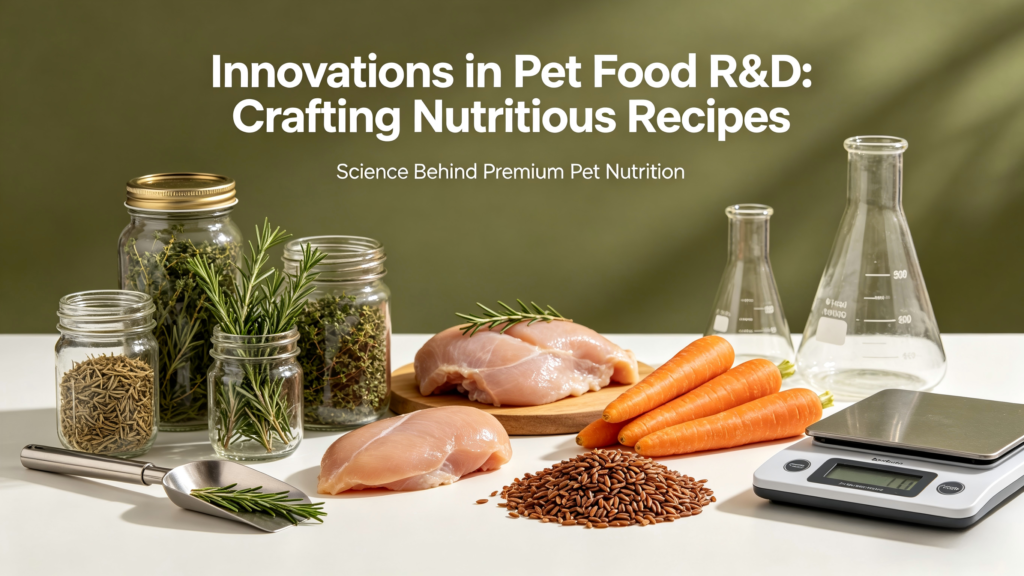
Pet owners see their pets as family and demand natural, healthy options. This pressure to innovate can be overwhelming, especially when navigating the complexities of functional ingredients and market claims.
Herb-infused pet food is a strategic decision, not just a trend. Success depends on aligning the herb with your product format, target market, and regulatory compliance. It requires careful R&D to ensure safety, palatability, and clear wellness positioning.
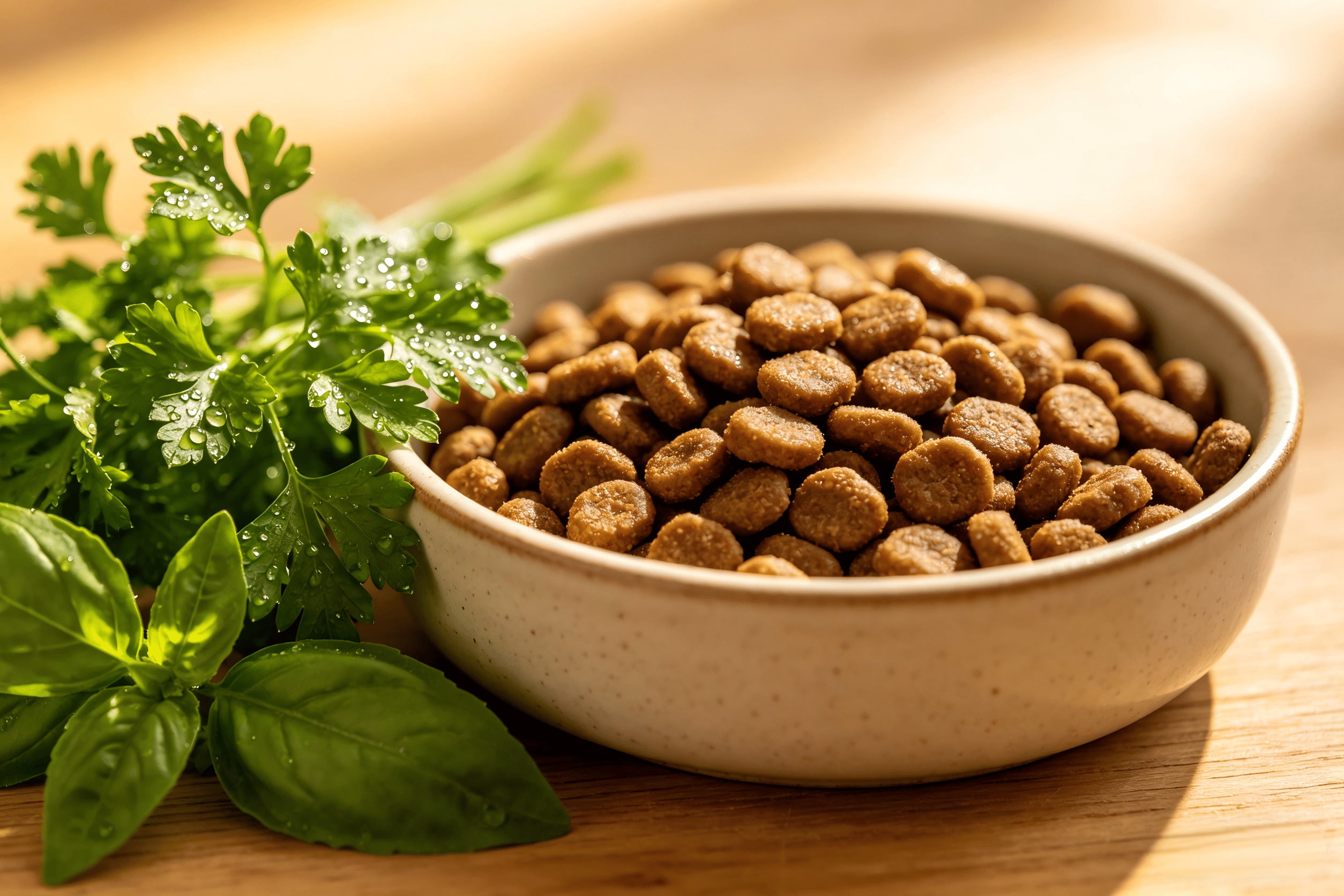
The idea of "natural nutrition" is very appealing to consumers. It suggests health, safety, and a return to basics. As brand managers, we want to tap into this powerful market sentiment. But the journey from a popular idea to a successful, compliant, and profitable product is complex. It requires us to ask deeper questions and look beyond the surface-level trends. How do we translate the "natural" trend into a product that is truly effective, safe, and marketable?
Does "Natural" Automatically Mean Safer and More Effective in Pet Food?
It is easy to think "natural" is always better. But this assumption can lead to formulation mistakes and misleading claims. Let's look at the reality behind the label and understand what it truly means.
"Natural" does not automatically mean safer or more effective. All ingredients, including herbs, require rigorous testing for safety, appropriate dosage, and proven nutritional benefits. The source, processing, and formulation are what determine an ingredient's true value and safety.
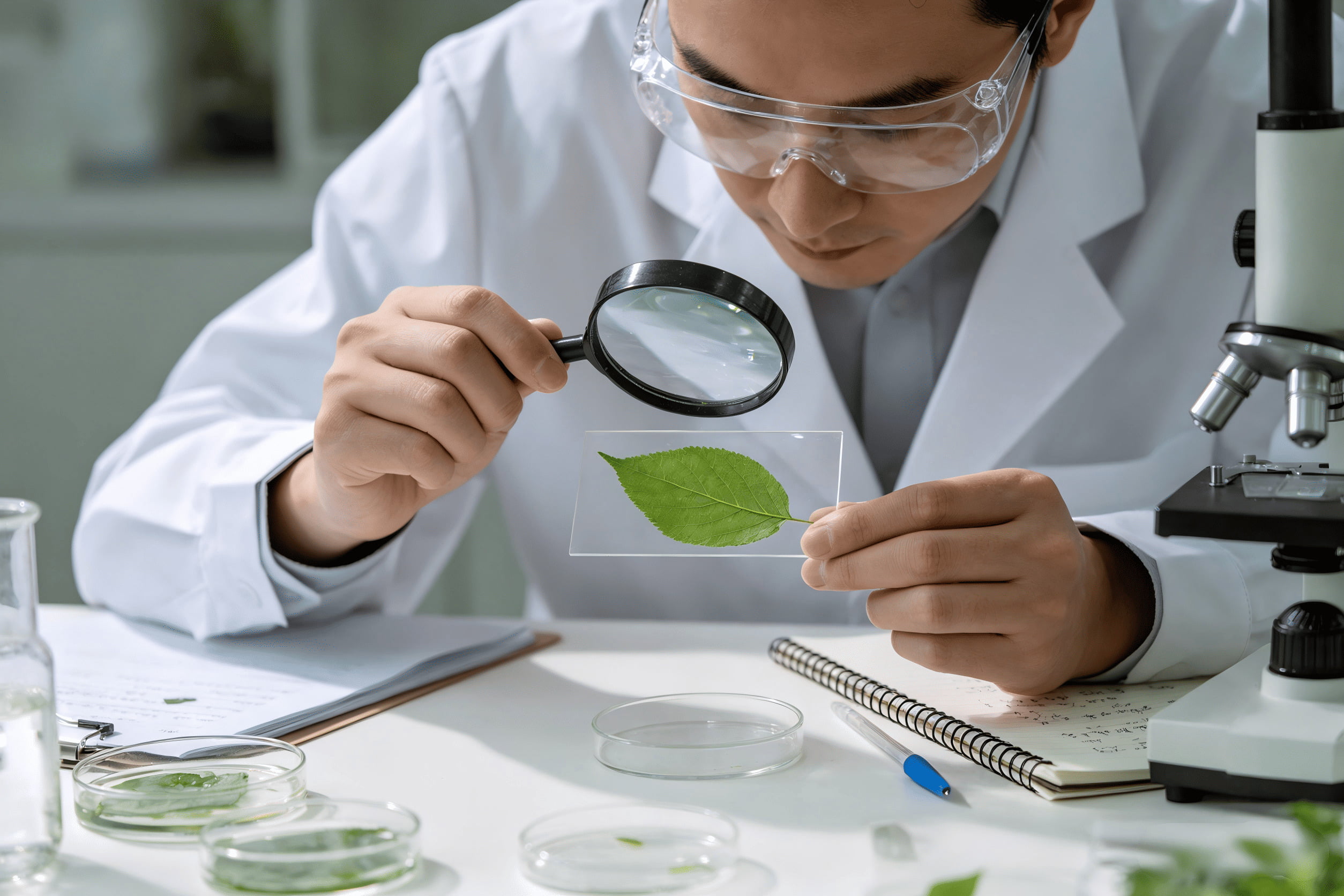
In my conversations with overseas pet food brand clients, I often see buyers assume that natural ingredients are automatically safer. This is a dangerous oversimplification. The natural world is full of substances that can be harmful if not used correctly. The key is not whether an ingredient is natural, but whether it is understood, controlled, and applied with scientific rigor. A responsible manufacturer treats a botanical ingredient with the same level of scrutiny as any other nutrient. This means understanding its properties, potential toxicity, and interactions within a complete formula.
Beyond the "Natural" Halo
The real work in R&D is to move past the marketing "halo" of a natural ingredient. We must verify its function and safety through a structured process. This includes dosage control, quality checks on raw materials, and stability testing in the final product.
| Common Misconception | R&D Reality |
|---|---|
| Natural herbs are always safe. | Dosage is critical. Some herbs can be toxic in high amounts or for certain species. |
| Efficacy is guaranteed. | Benefits depend on the active compounds, formulation, and bioavailability after processing. |
| "Chemical-free" is the goal. | All matter is made of chemicals. The goal is quality control and freedom from harmful contaminants. |
How Should You Position Herb-Infused Products Without Making Medical Claims?
You want to highlight the benefits of your new functional formula. But making illegal health claims can get your product pulled from shelves. How do you communicate the value of your product safely and effectively?
Position herb-infused products by focusing on wellness and nutritional support, not disease treatment. Use compliant language like "supports healthy digestion" or "promotes a calm disposition." This frames the product as a proactive nutritional choice, avoiding regulatory risks.
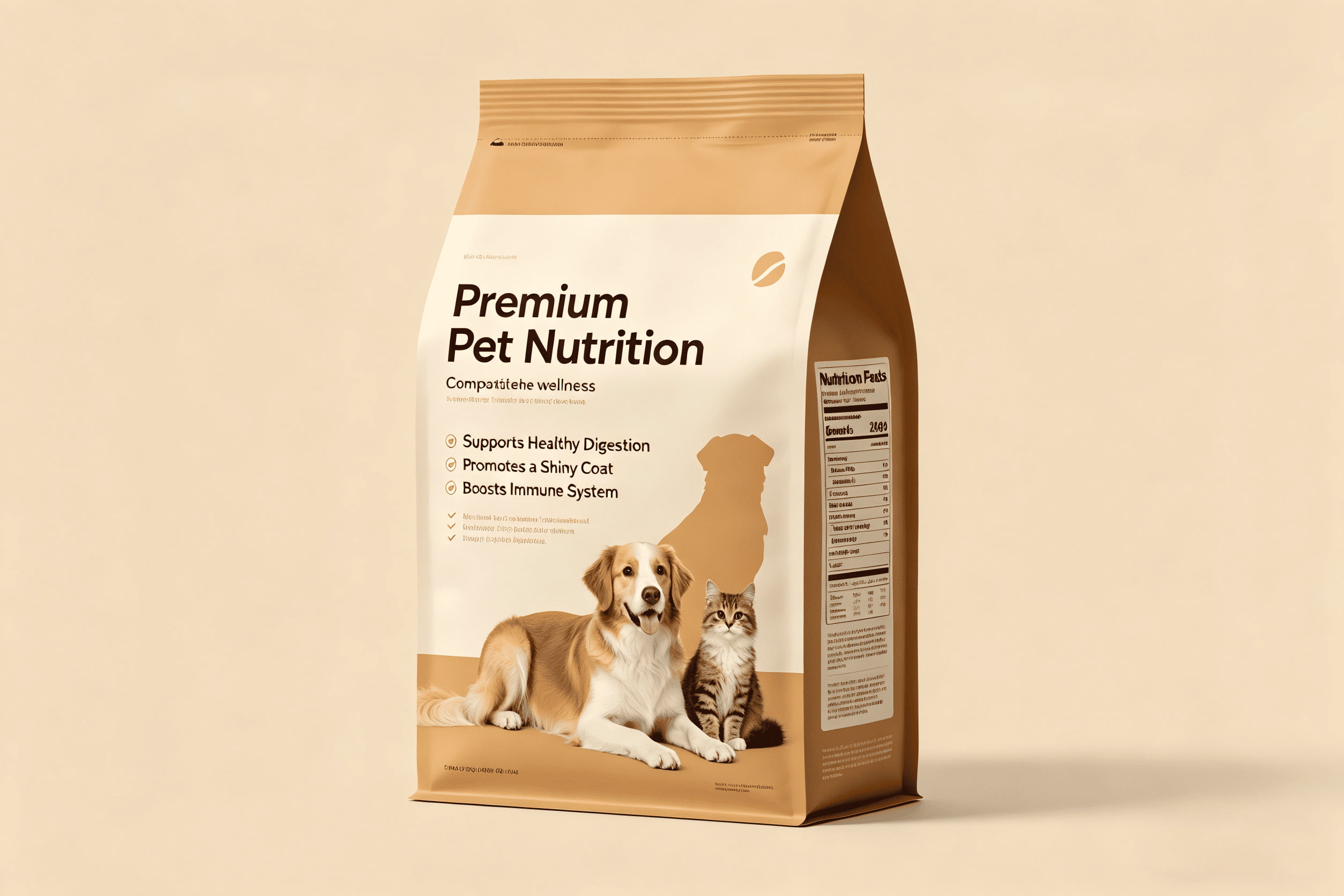
From a foreign trade and market communication perspective, buyers need a product that is both appealing and sellable. A key part of that is ensuring the marketing claims are compliant with regulations in the target market, like those from the FDA or FEDIAF. Making unproven medical claims is the fastest way to create legal problems and lose consumer trust. The goal is to inform the customer about the nutritional support the product offers, helping them make a good choice for their pet's overall well-being. This requires a careful and deliberate communication strategy.
Framing Benefits: Nutrition vs. Medicine
The line between a nutritional support claim and a medical claim is very important. Your product is a food, not a drug. The language on your packaging and in your marketing must reflect this reality. Focus on structure/function claims that describe how the ingredient supports the normal, healthy functions of the body.
| Functional Area | Risky Medical Claim | Compliant Wellness Positioning |
|---|---|---|
| Gut Health | "Treats IBD" | "Supports a balanced gut microbiome" |
| Joint Health | "Cures arthritis" | "Helps maintain joint mobility" |
| Anxiety | "Stops anxiety attacks" | "Promotes a sense of calm" |
| Skin & Coat | "Eliminates allergies" | "Supports healthy skin and a shiny coat" |
What Does Real R&D Value Look Like Beyond Just Adding an Herb?
You found a trendy herb to add to your kibble. But will pets even eat it? And can you get a stable supply? A single ingredient is not a complete and viable product strategy.
Real R&D value includes ensuring palatability, so pets willingly eat the food. It also involves securing a stable supply chain, verifying efficacy within the final product, and developing a clear market differentiation strategy that goes beyond simply naming an ingredient.

For a brand manager, the true value of a manufacturing partner lies in their ability to turn an idea into a finished product that succeeds in the market. Simply adding a popular herb to a formula is easy. Making it work is hard. The R&D process must account for every step, from raw material sourcing to the pet's food bowl. I remember a client who was very excited about a botanical blend, but our initial trials showed poor acceptance from the animals. The formula was nutritionally sound, but useless if pets wouldn't eat it. We had to reformulate to improve palatability before it could become a viable product.
The Full Product Development Lifecycle
A successful functional product is the result of a comprehensive development process. Here are the critical factors we consider beyond just the ingredient itself:
- Palatability Testing: Many herbs and botanicals have a bitter taste. Extensive feeding trials are necessary to ensure the final product is eagerly consumed by pets. Without good palatability, even the best formula will fail due to low repeat purchases.
- Supply Chain Stability: Can your supplier provide a consistent, high-quality source of the herb year-round? Price and availability fluctuations can disrupt production and kill a product line. We vet our suppliers to ensure reliability.
- Formulation Integrity: How does the herb interact with other nutrients? Does the high heat of extrusion or the sterilization process degrade its active compounds? Stability testing is crucial to guarantee the functional benefit is present throughout the product's shelf life.
- Market Differentiation: Your competitor also uses "natural herbs." How is your product different? Is it the specific blend, the scientifically-backed dosage, or the proven outcome? This is where your manufacturer's R&D expertise helps you build a unique and defensible position in the market.
Conclusion
Developing an herb-infused pet food is a strategic business decision. Success requires moving beyond trends to focus on safety, compliant marketing, and comprehensive R&D for a truly valuable product.